Ever wonder if that foreclosed house in your dream neighborhood is actually a good deal or just a money pit in disguise?
Competitively priced foreclosed homes can seem like the perfect way to score a great house for less money.
Here's the truth about buying foreclosed homes: the good, the bad, and the parts that may surprise you.
For informational purposes only. Always consult with a licensed real estate professional before proceeding with any real estate transaction.
Key Points About Buying Foreclosed Homes
- Foreclosures often sell for 10–15%+ below market value, but repair costs can eat up those savings fast.
- Most foreclosures are sold "as-is", meaning you buy whatever problems come with it.
- The buying process takes longer. Expect 2–6 months instead of the usual 30–45 days.
- You might inherit hidden problems, from foundation issues to unpaid property taxes.
- Home inspections are vital to ensure you're not signing up for a bigger project than you can handle.
- Banks aren't flexible sellers; they want profit, not negotiations.
Are Foreclosures Good Deals?
For homebuyers on a budget, planning to buy a foreclosed home might be an effective way to acquire a property in a more expensive neighborhood for less money. However, not all foreclosed homes are a good financial deal.
What is a foreclosed home's condition? It's important to remember that foreclosures usually happen when homeowners fall on hard times, and many foreclosures can drag on for months before the occupants are evicted. During that time, home maintenance and upgrades are usually put on hold. By the time they are sold, many foreclosed homes are in a state of advanced disrepair.
High repair costs can negate the savings that come from buying a foreclosure home, especially because most foreclosed properties are sold as-is. As a home buyer, you'll need to know exactly what kind of repairs to expect after purchase, and what the cost of the repairs will be. Have the home inspected by a professional home inspector, and have all your repairs priced by contractors.
Keep in mind that many homes in foreclosure have no electricity or water, which can make assessing the condition of the home more challenging. Work with the bank or mortgage lien holder to have the utilities turned on before getting your home inspection done, and be prepared to pay a fee for the trouble.
How to Buy a Foreclosed Home
When a home enters the foreclosure process, it follows a highly regulated set of steps meant to either allow the current homeowners to rectify their mortgage payment standing or to remove them from the house so it can be sold.
But how do you buy a foreclosed home? Homes in foreclosure are usually sold in one of two ways: through an auction or through a traditional sale.
Foreclosure Auction
Foreclosure auction sales are usually at the county courthouse. They can be competitive, complicated and somewhat mystifying to the inexperienced buyer. The minimum bid on a foreclosure is generally equal to the remaining amount owed on the home, plus fees and costs to the lender.
Financing an auction purchase works differently. If you plan to purchase a foreclosed home at auction, you usually need to have the cash on hand (or a cashier's check) for the purchase.
Do research about the property before putting down a bid, including finding out about debts owed on the property, as you may become responsible for these debts after purchase.
Real-Estate-Owned/Bank-Owned Properties
If a home that becomes bank-owned isn't sold at auction, it goes back to the bank, and it's put on the market. In some cases, the bank may hire a real estate agent to manage the sale of the property, and in other cases the home will be sold directly by the bank.
For prospective investors interested in buying a foreclosed home in this way, it's essential to approach the process with patience. The transaction process for purchasing a bank- or real-estate-owned foreclosure can be slower than the process of buying a home in a conventional real estate transaction.
The mortgage lender has to manage clearing the title and follow state foreclosure requirements. Prospective buyers can expect to wait months for a transaction to finalize.
Pros & Cons of Buying a Foreclosed Home
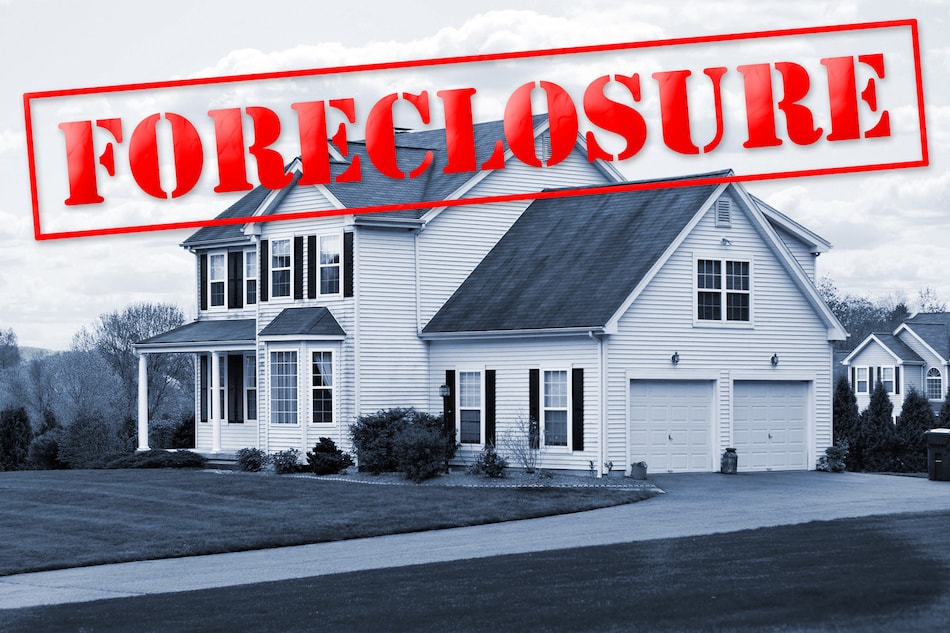
Like any real estate transaction, foreclosure purchases have both benefits and drawbacks. Make sure you understand both.
Pros
- You can save money. Foreclosure listings typically sell for 10–15%+ below what similar homes in the area cost. That $300,000 house in your target neighborhood? You might get it for $270,000 or less. That discount can be huge. It might let you afford a bigger house or a better location than you thought possible.
- There's less competition than with regular homes: Not everyone wants to deal with foreclosure headaches, and it's often limited to cash buyers. That means fewer buyers fighting over the property. In hot housing markets where bidding wars are common, this can be a big advantage.
- You might find hidden gems. Sometimes foreclosures are in great shape. Maybe the previous owners lost their jobs but maintained the house well. You could find a perfectly good home at a discount just because it's labeled "foreclosure."
- There's an opportunity to build equity fast. When you buy below market value and the area is growing, you can build equity faster than with a regular purchase. This is especially true if you're handy or know contractors. Your home value goes up while your mortgage stays the same.
Cons
- The property could have title issues. Do some research up front to make sure you're aware of all the costs related to the property. Title insurance may be a smart investment when buying a foreclosure.
- The home repairs could cost too much. One of the most daunting foreclosure risks is spending more money than you thought you would. Many foreclosure auctions are bought sight unseen, which can bring on some nasty, expensive surprises like problems with the home's foundation.
- The purchasing process may be a nightmare. Since the seller is the bank, you can run into problems with buying a foreclosure that you wouldn't face with a regular purchase. Closing delays and long wait times are common issues buyers face with a foreclosure deal.
- Vandals might be a problem. If the property has been empty for several months, vandals may have taken it over as a hangout. It's difficult to break this habit and can be a real nuisance.
Foreclosure Delays and Governmental Red Tape
Working with a bank or financial institution is not the same as working with a traditional home seller, and can lead to delays. Offers, contracts and paperwork can take weeks or months to process. Get ready to wait when making an offer on a foreclosure. Your real estate agent should help cut back on the frustration by doing the legwork and tracking the paperwork as it moves through the system.
And remember that the bank is often less open to negotiation than a homeowner might be. Banks and financial institutions have investors, owners and/or shareholders who expect the institution to make a profit.
For informational purposes only. Always consult with a licensed real estate professional before proceeding with any real estate transaction.
When Buying a Foreclosure, Work With an Experienced Real Estate Agent
So, should you buy a foreclosed home in Tennessee? Buying a foreclosure might be a great way to purchase a home, though the process is complicated and may take a long time. You should understand the pros and cons and speak to an experienced real estate agent before you consider buying a foreclosed house.
Your agent will be able to answer questions about the process to help you understand the particulars of purchasing a foreclosure. They can also help determine whether the foreclosed home you wish to purchase is a good deal and if the property is worth pursuing based on the necessary repairs.